

Book publication consolidates results from 35 research projects carried out by 21 academic and research institutions, which will now inform fauna and flora conservation actions in the Rio Doce Basin
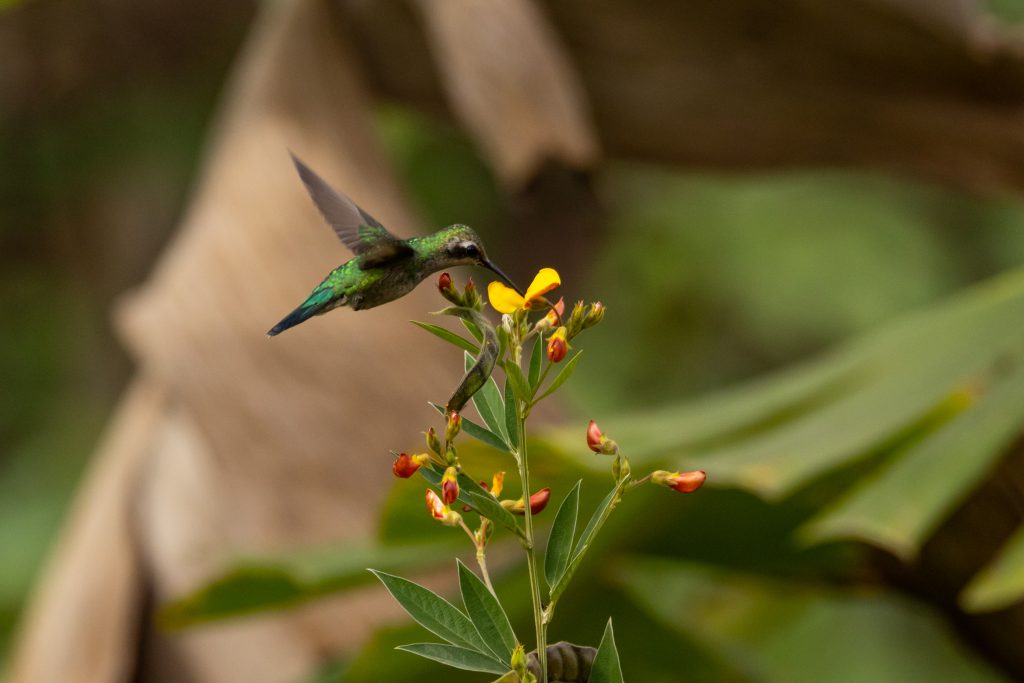
A first-of-its-kind publication consolidates the main results of scientific studies on the biodiversity of the Rio Doce Basin and will now support management and conservation actions in the region. Launched by Samarco, in partnership with the Brazilian Biodiversity Fund (FUNBIO), the book “Biodiversidade Rio Doce: um legado de pesquisas na bacia” brings together summaries of 35 projects carried out by teaching and research institutions in Brazil and abroad, the result of a broad effort dedicated to producing scientific knowledge about the territory.
The project was structured within the scope of the Action Plans for the Conservation of Terrestrial Biodiversity (PABT) and for the Recovery and Conservation of Aquatic Fauna (PABA), which guide environmental remediation actions in the Rio Doce basin. The initiative implemented five Calls for Projects through public notices, resulting in support for 35 studies focused on terrestrial and aquatic biodiversity.
Of this total, 32 projects focused on terrestrial biodiversity and three on aquatic ecosystems, expanding knowledge about 296 species through different scientific approaches. The studies were conducted by 21 institutions, with support from more than 70 national and international partners, strengthening the connection between science, conservation, and environmental management.
According to the project coordinator at Samarco, biologist Juliana Lima, the delivery of the book represents accountability for Samarco’s commitment to environmental remediation based on data and scientific rigor. “We are a country with one of the greatest biodiversities in the world and, at the same time, with historical challenges in producing information about many species. The partnership with FUNBIO helps reduce these gaps in the context of the Rio Doce Basin, generating knowledge that can guide current and future conservation actions”, she says.
Manuela Muanis, FUNBIO Portfolio manager, highlights that the organization’s participation ensured transparency, technical quality, and strategic direction for the supported projects. “Selection through public notices ensured transparent processes and the identification of outstanding initiatives. Our role was to structure and integrate this set of studies so that the results produced could effectively contribute to species management and to strengthening conservation actions in the Rio Doce Basin”, she says.
Main milestones of the initiative
● Scientific training: awarding of more than 110 research scholarships, from undergraduate research to postdoctoral studies.
● Support for environmental management: generation of technical evidence to guide conservation strategies, including endangered species such as the great-billed seed-finch and the northern muriqui, as well as their habitats.
● Territorial scope: studies carried out in several municipalities in Minas Gerais and Espírito Santo located in the Rio Doce Basin.
Click here to access the book. For more information about remediation projects and Samarco’s actions under the New Rio Doce Agreement, visit www.samarco.com/reparacao.