

The company increases water recirculation, maintains renewable energy use, and strengthens governance and reparation agenda
Samarco presented significant progress in its sustainability agenda in 2025, with consistent evolution across environmental, social, and governance indicators. The data is detailed in the 2025 Annual Sustainability Report (ASR 2025), released this week, reflecting the increasing integration of the ESG agenda into the company’s strategy.
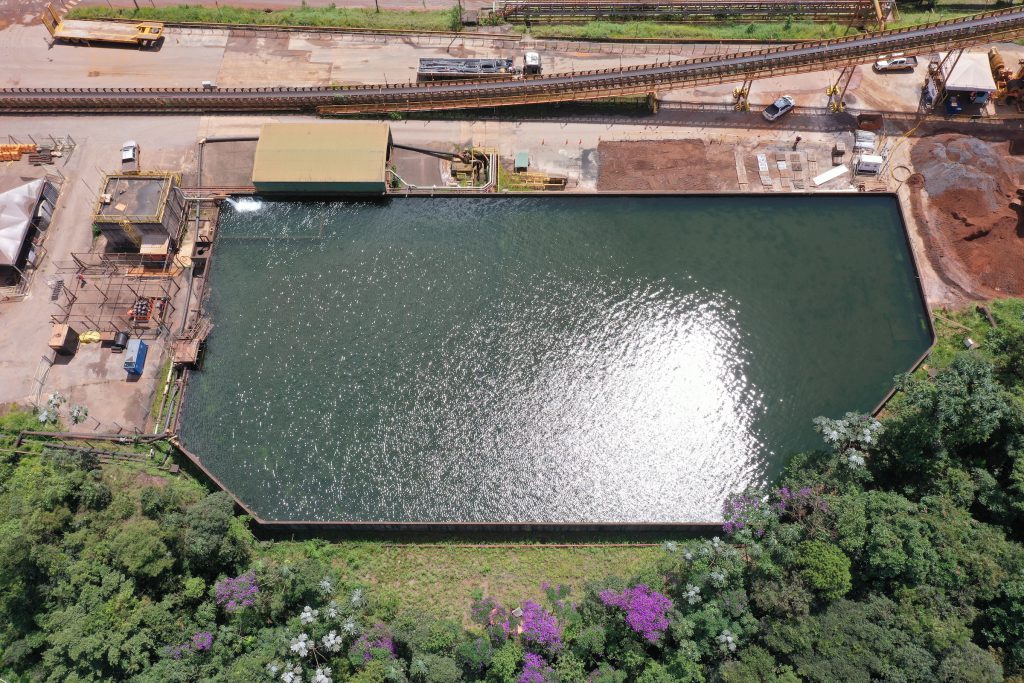
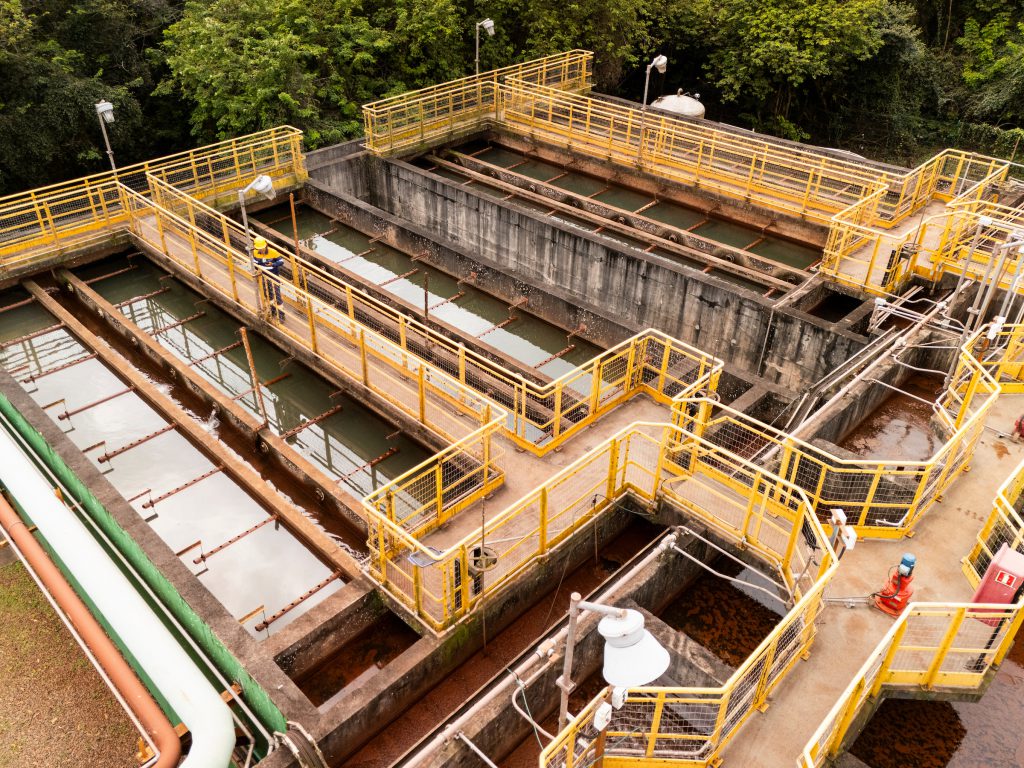
On the environmental front, the company maintained 100% of its electricity consumption from traceable renewable sources and reached a global water recirculation rate of 87.7%. The Ubu unit, in Espírito Santo, operated with full recirculation and a positive water balance. Sustainable disposal of non-mineral waste reached 95% during the period.
Regarding the climate agenda, the company maintained its greenhouse gas emissions reduction trajectory and received, for the fourth consecutive year, the Gold Seal from the Brazilian GHG Protocol Program, which recognizes the quality and transparency of its inventory.
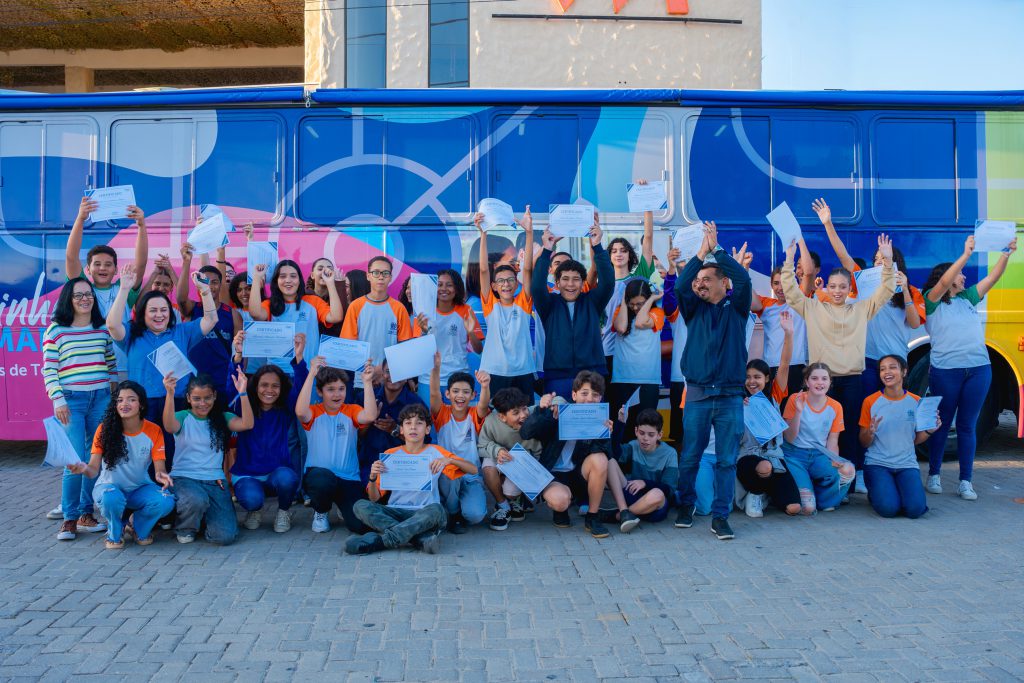
In the social sphere, Samarco allocated R$ 22.4 million to socio-institutional initiatives and generated R$ 1.6 billion in procurement through the Força Local Program, benefiting more than 2,200 suppliers in Minas Gerais and Espírito Santo. Qualification and development programs reached approximately 1,100 people throughout the year.
Governance and operational safety remained top priorities. Samarco maintained 100% adherence to the Global Industry Standard on Tailings Management (GISTM), with continuous monitoring of its structures. In 2025, 89% of the sandy tailings generated were repurposed in the de-characterization works of the Germano dam. The company also invested R$ 52.5 million in 84 research, development, and innovation projects, focusing on automation, artificial intelligence, circular economy, and dry stacking technologies.
In the reparation agenda, in compliance with the New Rio Doce Agreement, the company advanced in completing structural works, environmental recovery, and the implementation of water supply systems in impacted municipalities. Initiatives also included the protection of reforestation areas and springs, in addition to income-generation actions for local communities.
According to Samarco’s CEO, Rodrigo Vilela, the results reflect the company’s effort to balance operational resumption, socio-environmental responsibility, and a long-term vision. “The evolution of our indicators demonstrates that we are advancing consistently, focusing on safety, efficiency, and transparency, in line with society’s expectations,” he states.
Sustainability Director Mariana Lisbôa highlights that the company has been consolidating the integration between sustainability and business strategy. “Our commitment is to ensure that these advances are lasting and generate real value for people and the territories where we operate,” she says.
Starting in 2026, Samarco expects to increase transparency by publicly disclosing long-term goals, strengthening its responsible growth strategy.
The 2025 Annual Sustainability Report is available at: https://www.samarco.com/wp-content/uploads/2026/04/Samarco_Relatorio-Sustentabilidade-2025.pdf
Credits: Arthur Crespo