

The completion of the new districts, compensation paid to over 648,000 people, progress in environmental recovery, and investments in health, sanitation, and infrastructure reinforce the construction of lasting results for the Rio Doce Basin.
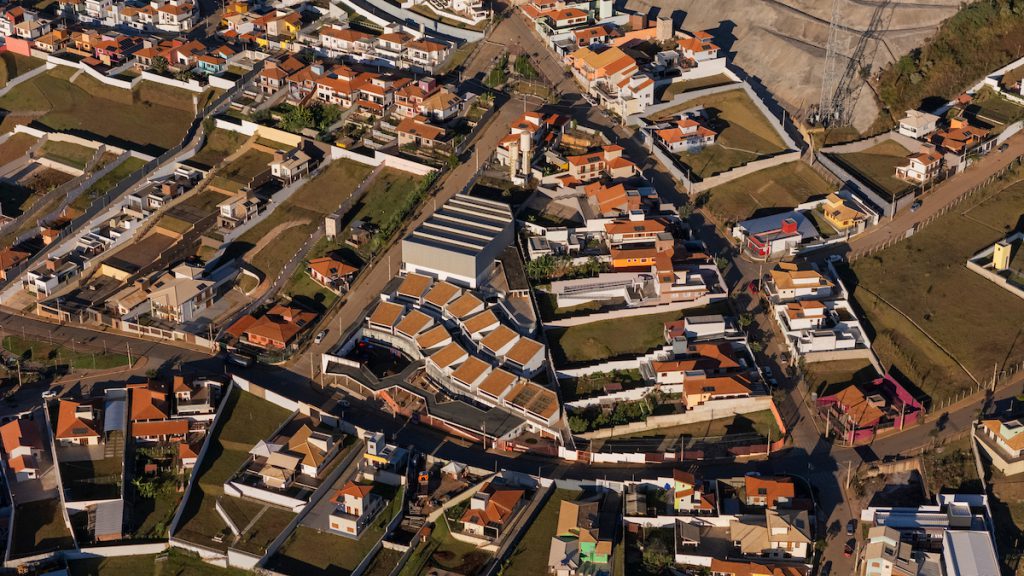
Nearly two years after the ratification of the New Rio Doce Agreement, the remediation process is moving forward in the effort to transform commitments made into concrete results for the people and territories affected. The completion of the new districts, the progress of compensation payments, environmental recovery, and the allocation of funds for public policies represent achievements that help rebuild communities, strengthen essential services, and create a foundation for a relationship of trust built on tangible results.
Since 2015, the reparation and compensation actions carried out by Samarco and other institutions involved a total of 82.6 billion BRL. The New Agreement sets out 170 billion BRL in funds and obligations earmarked for remediation and compensation over the coming years.
This progress reflects the work carried out by Samarco together with the institutions responsible for the execution, monitoring and oversight of the agreement.
The completed projects include the completion of the works in the districts of Novo Bento Rodrigues and Paracatu, in Mariana (MG). A total of 395 buildings were completed, including residential and commercial properties, as well as 22 public assets such as schools, healthcare units, leisure areas, community facilities, and spaces intended for commercial activity, reinforcing the reconstruction not only of infrastructure but also of community ties.
“People and territories lay at the heart of remediation. The progress achieved over these two years shows that the commitments made are being transformed into concrete results, whether in the reconstruction of communities, environmental recovery, compensation, or public investments. We know there is still a long way to go, but it is through these results that trust is gradually rebuilt,” says Rodrigo Vilela, president of Samarco.
Compensation and resumption of life projects
Regarding compensation, since 2015, more than 648,000 people have received compensation and financial aid in the remediation process, which is equivalent to about ten times the population of Mariana. After the signature of the New Agreement alone, approximately 357,000 people benefited from payments totaling 18.5 billion BRL. Currently, 99.6% of individual compensation and financial aid cases have already been completed.
This initiative remains one of the main instruments for supporting the recovery of the livelihoods of the affected people. Since the approval of the New Agreement, through the Definitive Compensation Program (PID), more than 321,000 compensations have been paid. The PID was created to expand access to compensation with simplified proof criteria. Throughout the entire process, payments in compensation and financial aid totaled 36.6 billion BRL.
Environmental recovery with visible results
Environmental recovery programs continue to move forward throughout the Rio Doce Basin. 96% of the goal for fencing off areas designated for compensatory reforestation and 94% of the goal for protecting water sources have already been achieved, involving more than 3,000 rural properties.
In total, 47,900 hectares have been fenced off for reforestation and 4,600 springs have been protected. In the affected areas between the Gualaxo do Norte River and the Risoleta Neves Hydroelectric Power Plant, more than 1 million seedlings of native species have already been planted across 432 hectares undergoing restoration.
Another important milestone was the completion of the renaturalization of a seven-kilometer stretch of the Gualaxo do Norte River, where monitoring records the return of native fish species such as lambari, traíra, bagre, and cará, an indication of the gradual recovery of local ecosystems.
Investments to improve life in municipalities
Remediation efforts are also progressing through public investments with the potential to generate long-term benefits in health, sanitation, mobility, and infrastructure. This year, another 19 municipalities joined the New Agreement, bringing the total number of participants to 45 out of the 49 eligible municipalities.
Together, these cities have approximately 2.13 million inhabitants (IBGE data). In September, the 19 municipalities received 422 million BRL as stipulated in the agreement, including funds earmarked for sanitation projects.
The structural investments already announced include resources for the construction of the University Hospital of the Federal University of Ouro Preto (UFOP) and for the concession of Via Liberdade, a 190-kilometer highway corridor between Ouro Preto and Mariana, aimed at improving logistics infrastructure and regional mobility.
Water, sanitation and environmental quality
Sanitation initiatives represent one of the areas with the greatest potential for lasting impact on the population. Since the start of the remediation project, 11 Wastewater Treatment Plants (WWTPs) and associated infrastructure have been installed or expanded in 22 municipalities.
The completed interventions have the capacity to treat approximately 3.9 million liters of sewage per day and directly or indirectly benefit about 1 million people. The new agreement also provides for 11 billion BRL in transfers to the public sector for investments in water supply, sanitation, solid waste management, and macro-drainage.
The results achieved so far show that remediation is progressing on several fronts, but they also reinforce that building a lasting legacy depends on the continuity of the planned actions. “We have a long-term vision. We want the remediations to be remembered not only for fulfilling obligations, but for their capacity to generate positive transformations for people and territories. This is the commitment that guides our actions”, Vilela concludes.