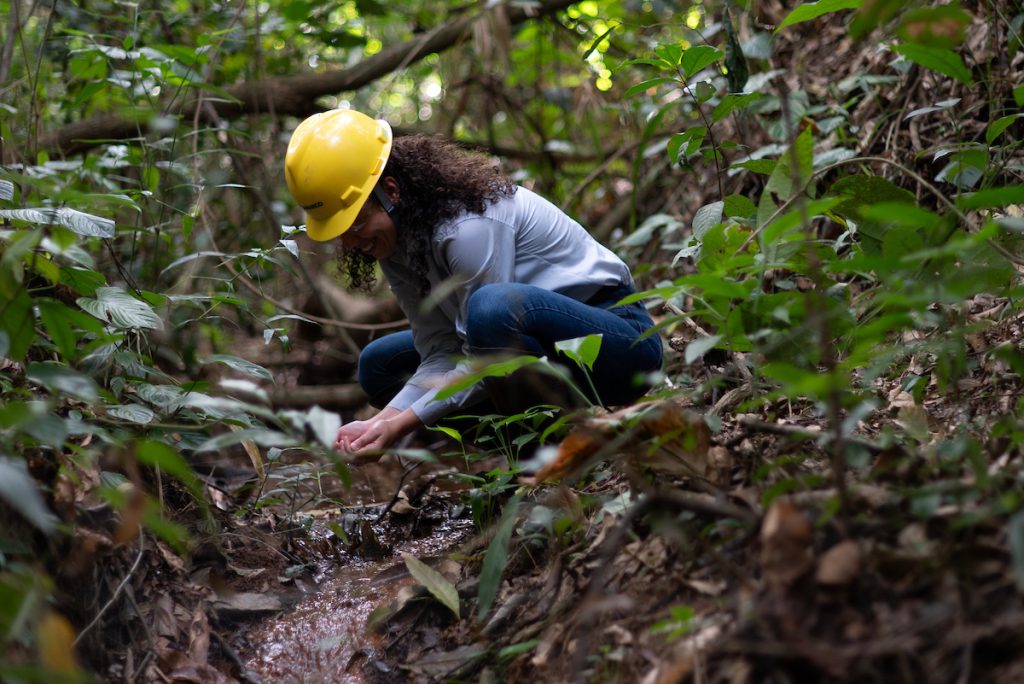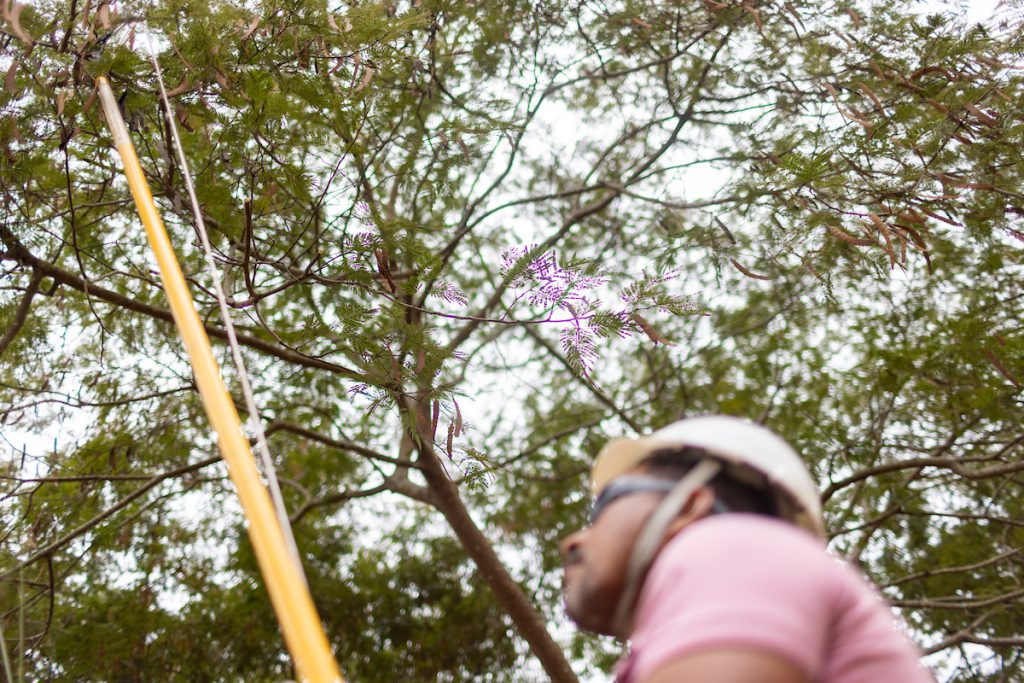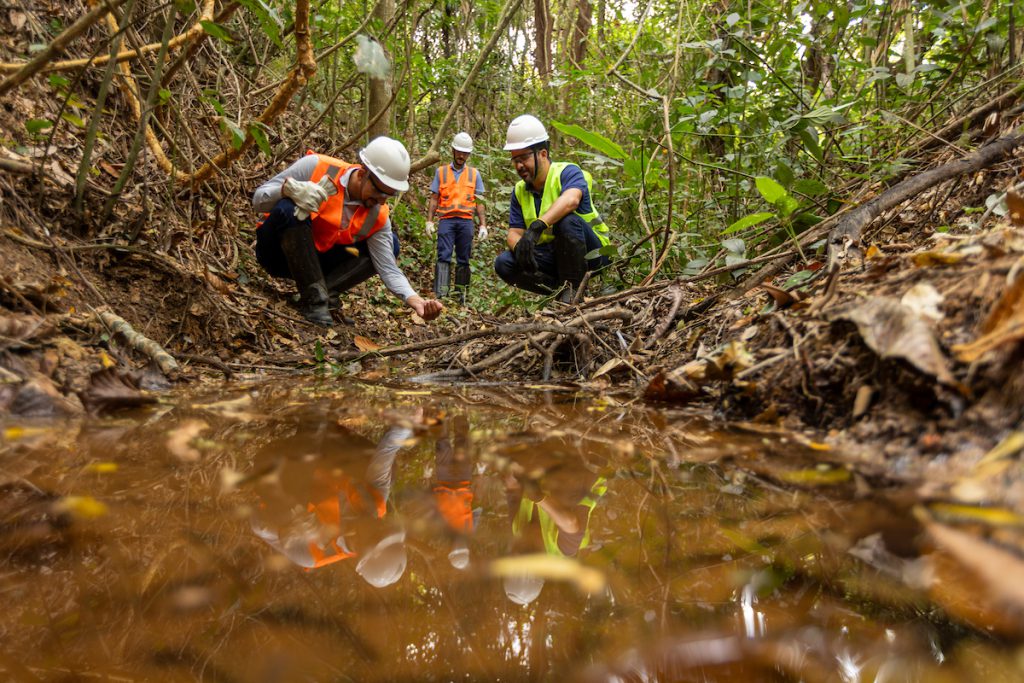
The Rio Doce Seed and Seedling Network brings together 354 native species used in environmental restoration efforts, as part of the actions carried out by Samarco in order to comply with the New Rio Doce Agreement
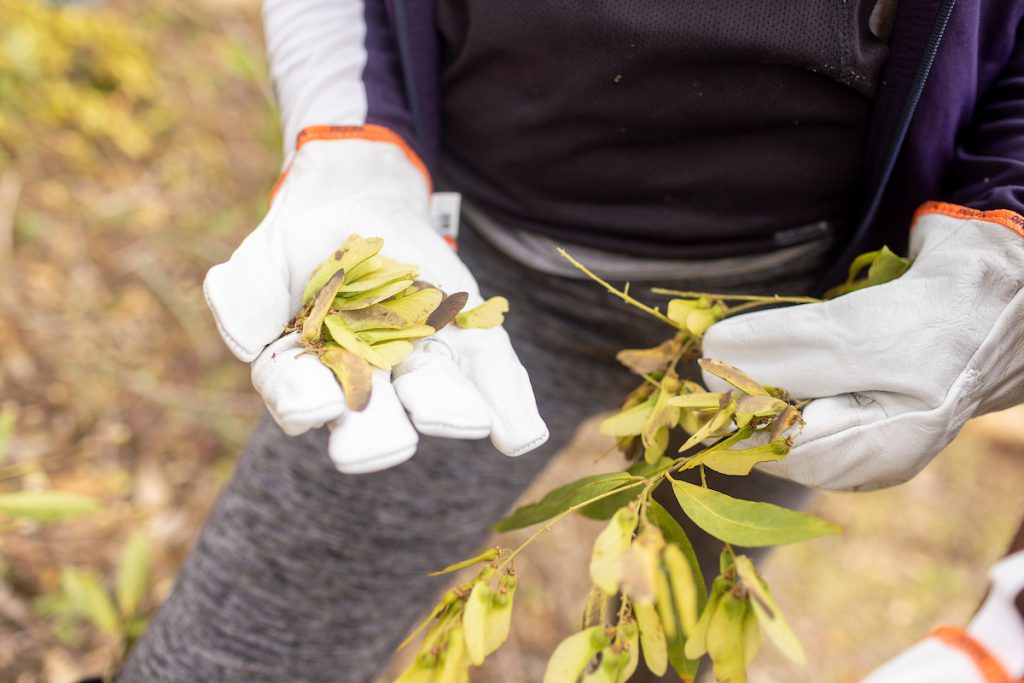
On the eve of Tree Day, celebrated on September 21st, the Rio Doce Seed and Seedling Network reinforces the role of forest restoration in the environmental recovery of the Rio Doce Basin. Structured by the remediation programs carried out by Samarco, as part of the environmental actions set out in the New Rio Doce Agreement, the initiative continues to expand and has already totaled more than 185 tons of native seeds from the Atlantic Forest collected since the start of the project in Minas Gerais and Espírito Santo. The Network brings together approximately 1,250 active collectors, organized into 33 groups across the two states.
The project connects biodiversity conservation and income generation through the participation of communities in the collection of native seeds. The seed bank brings together 354 species from the Atlantic Forest used in environmental restoration efforts, and the collected material is intended for direct seeding, seedling production, and large-scale restoration of degraded areas. Since the Network's creation, approximately 16.4 million BRL have already been allocated to seed collectors, contributing to income generation and the appreciation of the knowledge of the populations involved.
According to Antonio Sergio Cardoso Filho, an Environmental Analyst at Samarco, the work developed by the Network demonstrates that environmental restoration generates more consistent results when it combines biodiversity conservation with the empowerment of local communities. “Each seed collected represents an opportunity to recover the Atlantic Forest and accelerate the ecological restoration of the Rio Doce Basin. More than just restoring degraded areas, the Network strengthens the productive chain of restoration, values the knowledge of local communities, generates income, and promotes a model in which biodiversity conservation and social development go hand in hand”, he highlighted.
Minas expands its participation in the Network
In 2026, the Network expanded its operations in Minas Gerais with the participation of the Mirueira Pataxó Indigenous Village in Guanhães, three rural settlements in Jampruca, and the resumption of activities at a center in Nacip Raydan. The expansion strengthens the mobilization of communities dedicated to the collection of native seeds.
One of the highlights can be found in Jampruca. The Maritacas Nucleus grew from 10 participants in 2022 to 47 active collectors in 2026, expected to deliver around six tons of seeds this year. The region also brings together other groups formed by rural settlements, family farmers, and organized collectors, consolidating itself as one of the main areas of activity for the Network.
In Minas Gerais, the Network is present in the municipalities of Açucena, Caratinga, Carmésia, Guanhães, Sabinópolis, São João Evangelista, Santa Maria do Suaçuí, Nacip Raydan, Jampruca, Frei Inocêncio, Campanário, Resplendor, and Tumiritinga.
Espírito Santo expands the collection of native seeds
In Espírito Santo, the Network operates in the municipalities of Alto Rio Novo and Linhares. In Alto Rio Novo, increased engagement from the Native Seed Collectors Association resulted in triple the quantity of seeds collected. Three tons were collected in 2025, with an expected figure of 10.5 tons in 2026.
Samarco's seedling production
One of the locations where Samarco produces seedlings for reforestation and recovery efforts is the Center for Environmental, Social and Forestry Development (Cedasf), which focuses on cultivating seedlings for reparation and compensation plantings. Located in the Antônio Pereira Residential Village (Ouro Preto), and established in 2019, the nursery reached a capacity of over 300,000 seedlings per year by 2026. Since its implementation, approximately 1 million seedlings have been produced, with over 500,000 in the 2025-2026 biennium alone, featuring native species from the Rio Doce basin. The highlight is the Ipê and Quaresmeira trees, the most sought-after species for donation.
The seedlings are used for compensatory plantings (such as those under the Corrective Operating License - LOC), reparative plantings (sections 1 to 11), and environmental campaigns, such as the Tree Day campaign, in addition to donations to the public and institutions such as Universidade Federal de Ouro Preto (UFOP). There are approximately 1,900 hectares of plantations linked to the company's licenses, many bordering conservation units, such as the Serra do Brigadeiro and Itacolomi state parks.
“Cedasf is a living tool for the recovery of the entire Rio Doce Basin. Each seedling produced here helps to repair, offset, and reforest areas of the region, prioritizing native species, many of which are threatened with extinction. It is also a space for environmental education, bringing this knowledge to the population”, highlights environmental analyst Ezequiel Faria, responsible for Cedasf.
In Anchieta (ES), Samarco maintains the cultivation of white mangrove (Laguncularia racemosa) and black mangrove (Avicennia schaueriana) to meet an Ibama requirement, which mandates planting 14 hectares bordering a Sustainable Development Reserve (RDS). The goal is to produce 14,000 seedlings by the middle of next year.