

Conservation and environmental monitoring initiatives indicate stability in species diversity within the company's areas of influence
In reference to World Environment Day, celebrated on June 5, Samarco presents a balance of its developed initiatives, which include 26 fauna monitoring campaigns since 2017, forest restoration actions, and environmental education projects involving employees, schools, and communities in the territories where it operates.
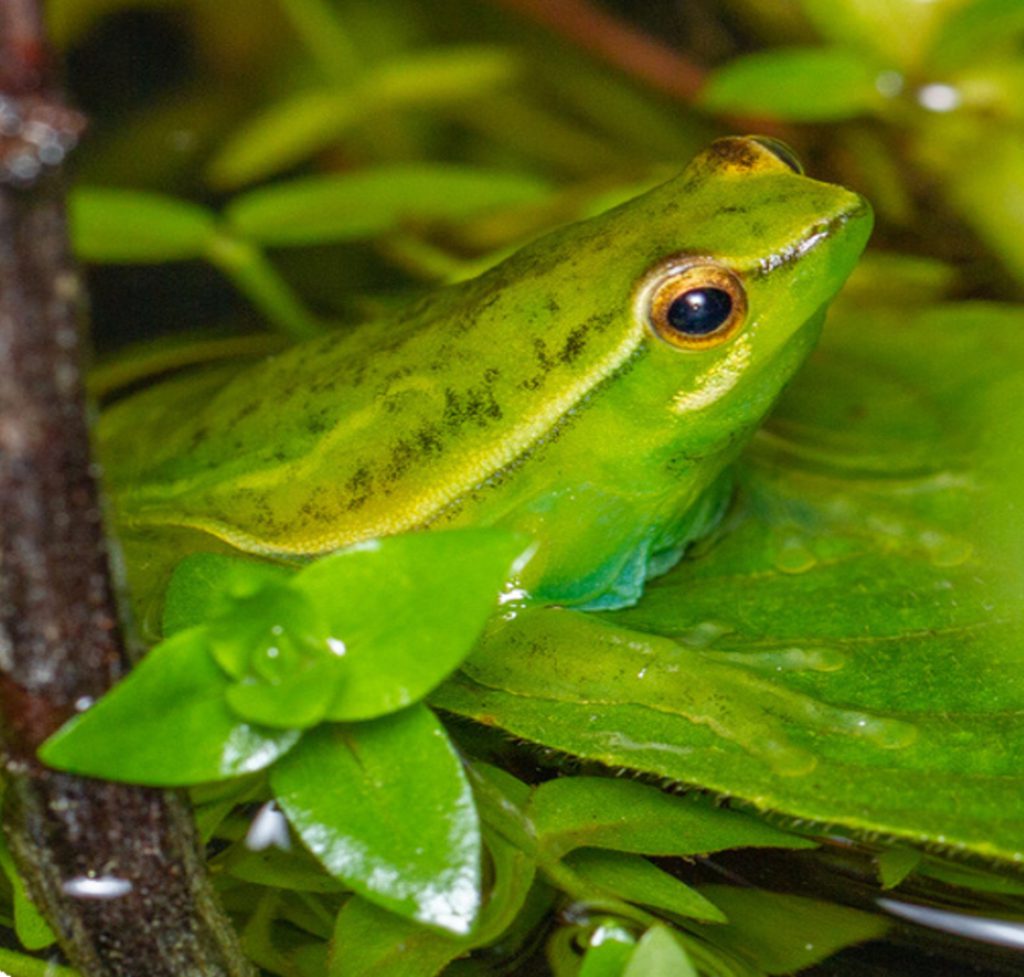
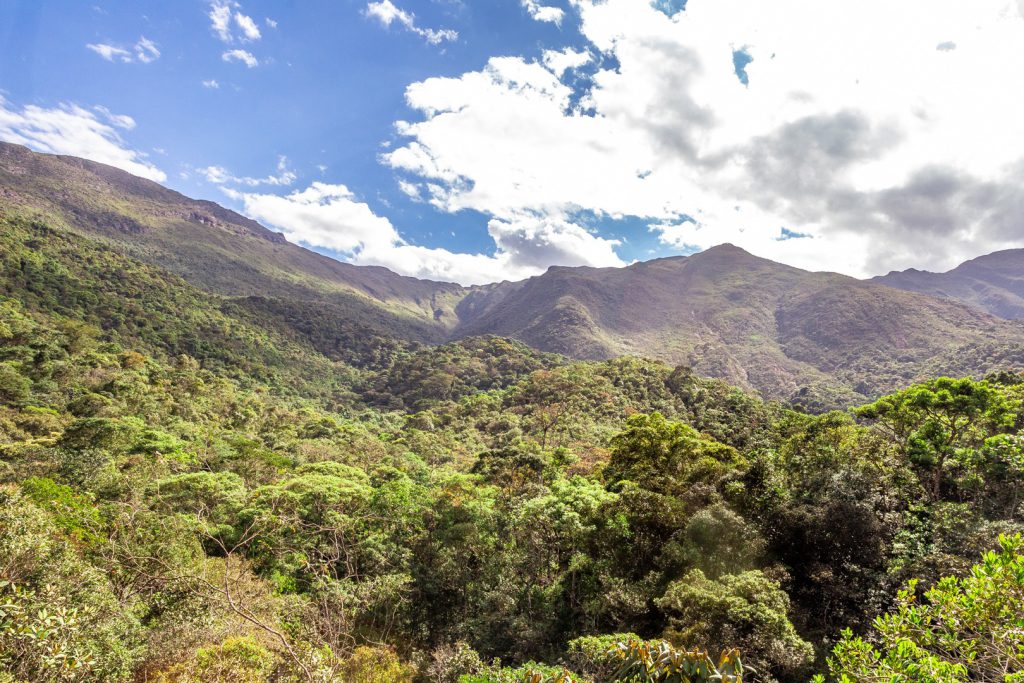
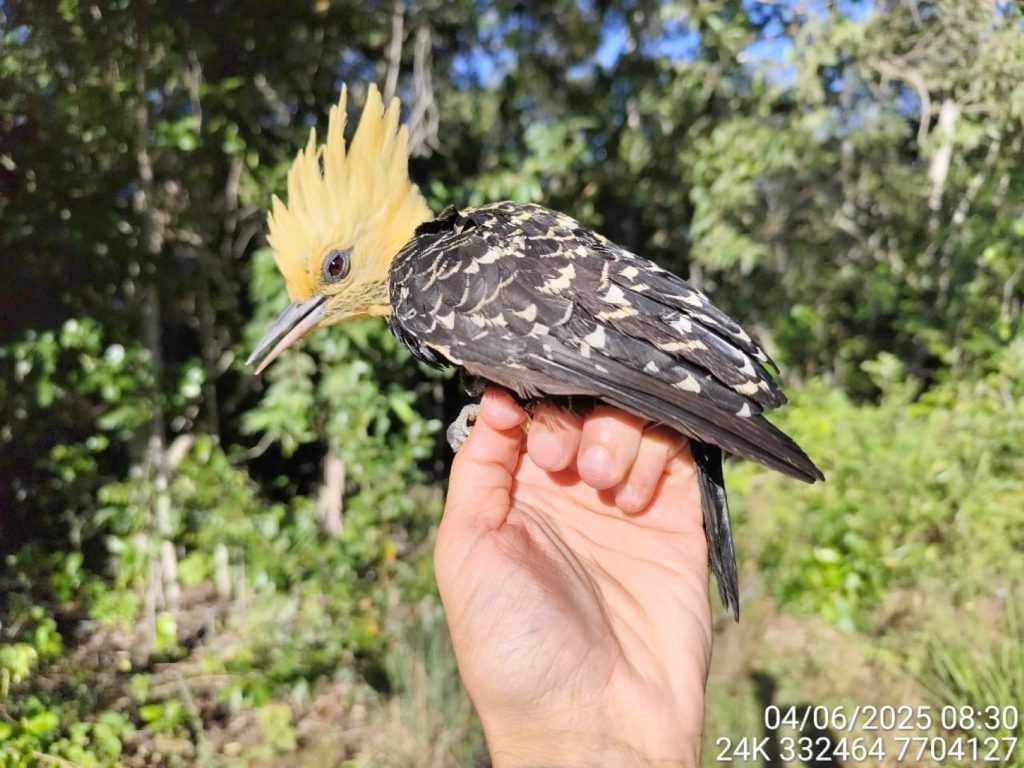
The actions are part of a structured set of programs aimed at conservation, restoration, and environmental education, aligned with the corporate strategy for biodiversity management. In Germano (Mariana/MG), the monitoring of terrestrial and aquatic fauna points to the maintenance of species richness and diversity in the monitored areas.
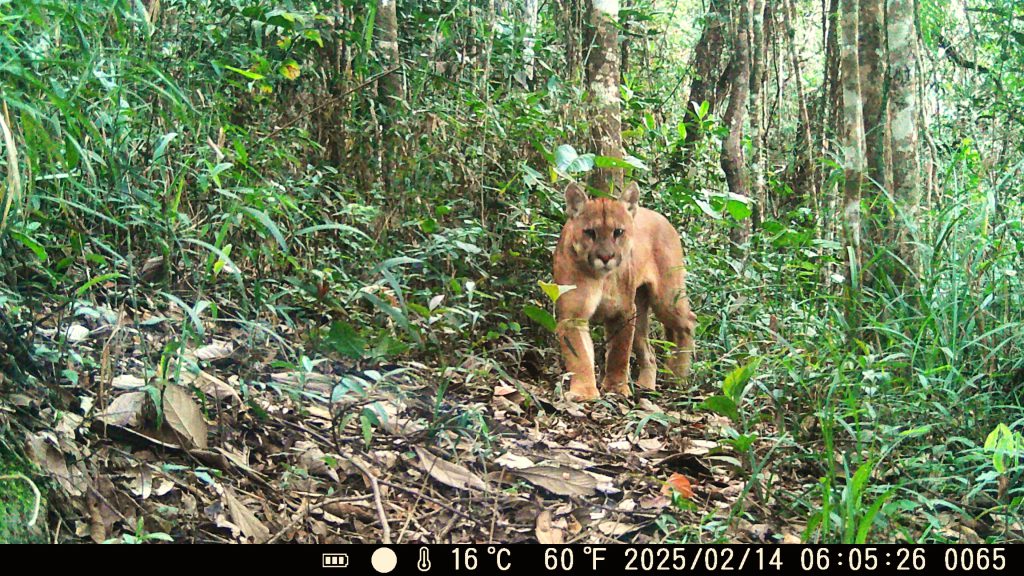
Among the programs, the wildlife-vehicle collisions monitoring stands out, acting preventively on internal roads with signaling, educational campaigns, and records that guide mitigation measures. Another highlight is the monitoring of the Puma concolor (cougar) species, considered an indicator of environmental quality and connectivity between habitats.
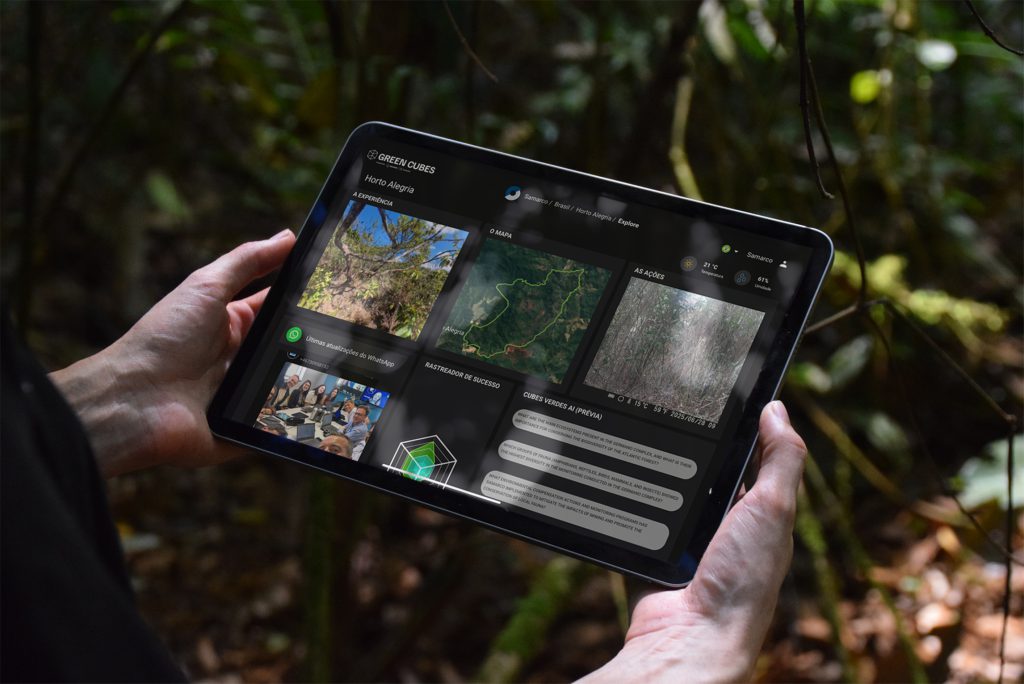
The set of initiatives is consolidated in the 2025 Biodiversity Report, which gathers the company's main programs and results. The strategy is aligned with international frameworks, such as the UN Sustainable Development Goals (SDGs) and the Towards Sustainable Mining (TSM) program.
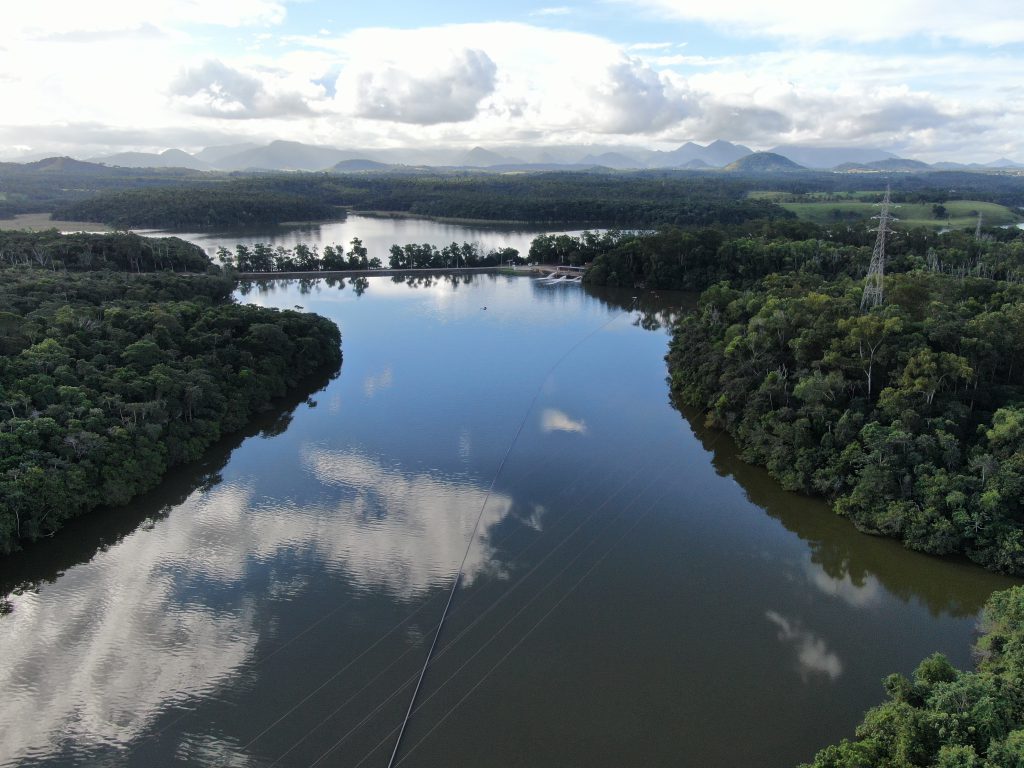
Preserved areas and restoration
By the end of 2025, the company maintained 15,917 hectares of preserved areas and had carried out forest restoration on 156.1 hectares in Minas Gerais and 44.2 hectares in Espírito Santo, in the region of Ubu (Anchieta).
“Preserving almost 16,000 hectares means keeping alive an area equivalent to more than 22,000 soccer fields, with springs, species, and associated ecosystem services,” states the Environment Manager of Germano, Vinícius Loyola Lopes.
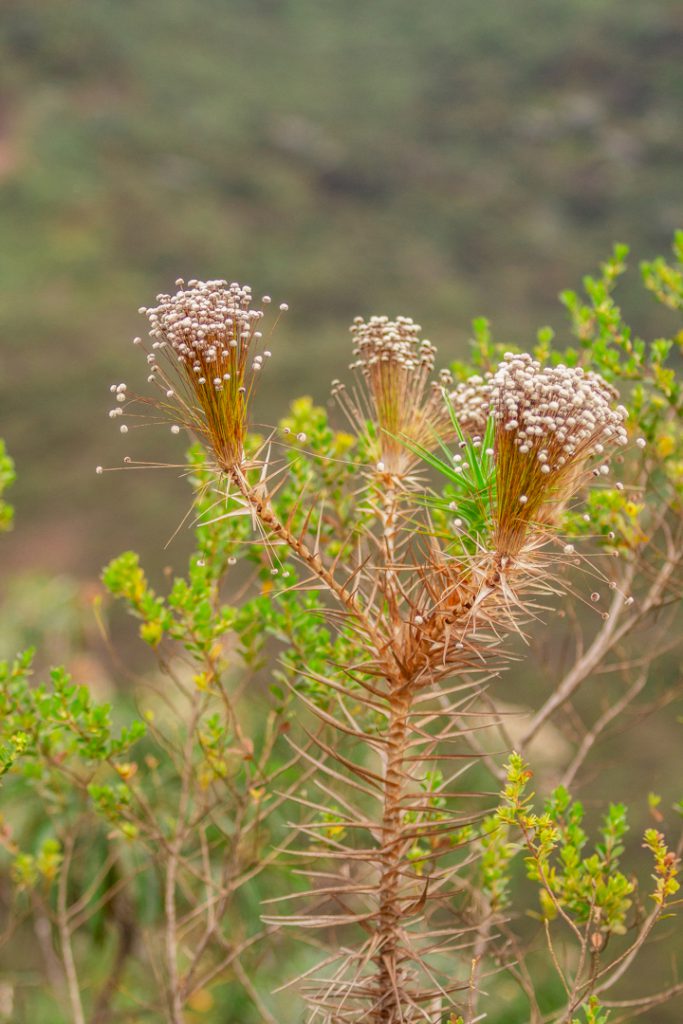
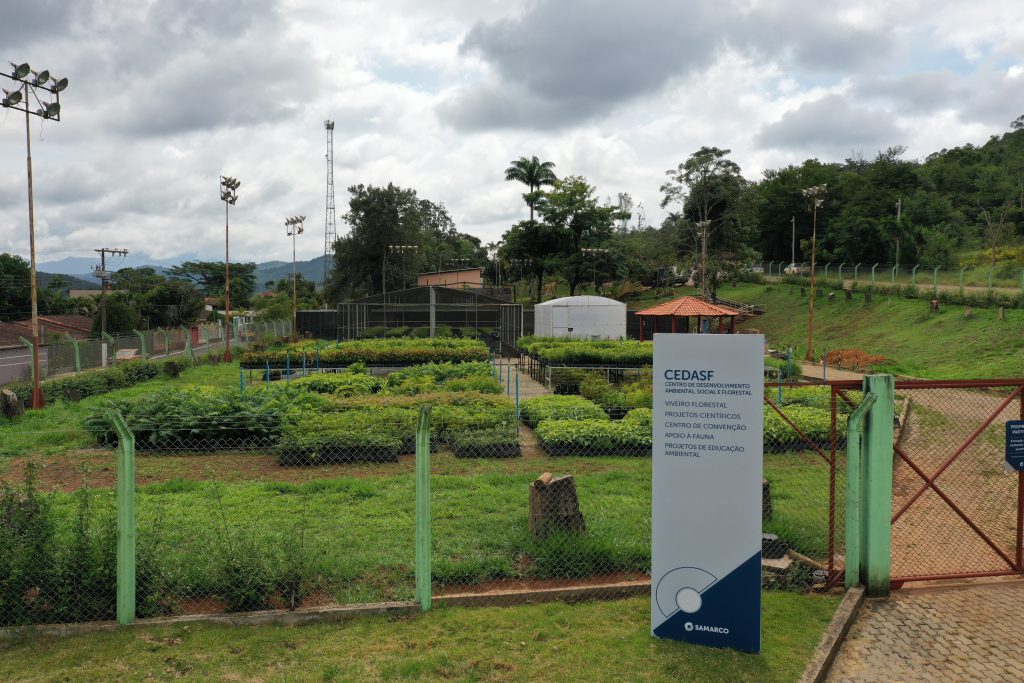
Among the conservation initiatives, Samarco performs the rescue of seeds and seedlings before authorized interventions, prioritizing endemic, rare, or threatened species. These actions are complemented by the Degraded Area Recovery Program (PRAD), aimed at the restoration of native vegetation.
Actions in Espírito Santo
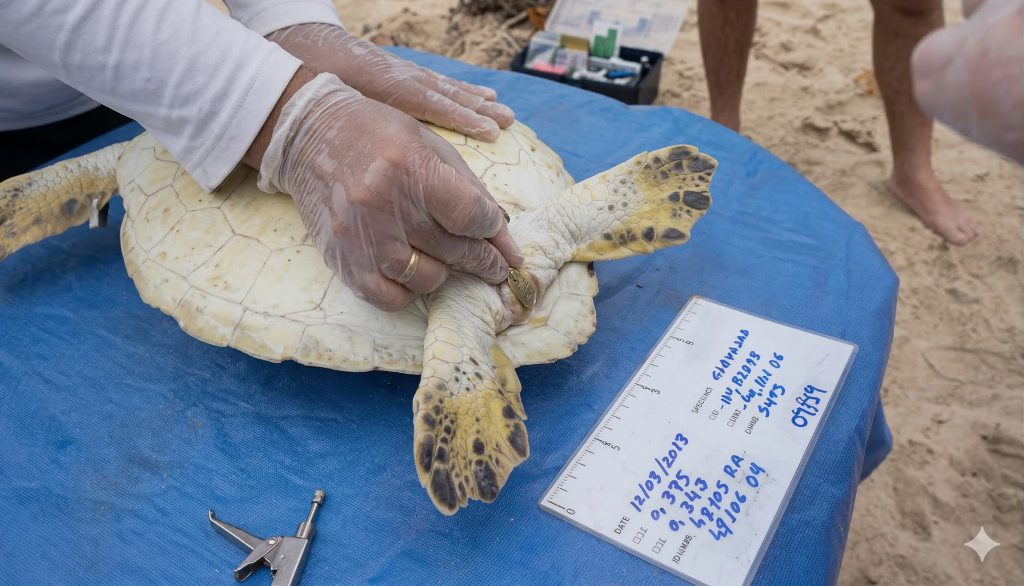
At the Ubu Maritime Terminal in Espírito Santo, initiatives include the control of invasive alien species, such as sun coral, through underwater monitoring and manual removal.
“These initiatives show that biodiversity protection is directly linked to the maintenance of ecosystem services essential to life,” states the Environment Manager of Ubu, Alan Burdin.
Biodiversity management at the company is guided by a mitigation hierarchy, which prioritizes avoiding, minimizing, restoring, and offsetting impacts, with the objective of reducing environmental losses in the areas where it operates.
Education and engagement
In the field of environmental education, Samarco operated in 25 municipalities over the last year, producing content on the biodiversity of the Rio Doce Basin, including videos, mini-documentaries, games, books, and educational materials.
The actions are aimed at communities and workers, focusing on impact prevention and the promotion of sustainable practices.
Actions in the New Rio Doce Agreement
Samarco also concluded, in May, a set of actions related to biodiversity planned for the transition period of the New Rio Doce Agreement. This stage marked the completion of the Aquatic Biodiversity Conservation Action Plan (PABA) and the Terrestrial Biodiversity Conservation Action Plan (PABT), with validation by federal and state environmental agencies.
In the case of PABA, the actions encompassed 32 species of fish, crustaceans, and aquatic insects, focusing on habitat mapping and citizen science initiatives. Meanwhile, PABT involved more than 300 terrestrial species, including trees, mammals, birds, and reptiles, in addition to initiatives such as the promotion of meliponiculture (native beekeeping).
The development of the programs counted on the support of institutions such as UNESCO, the Brazilian Foundation for Sustainable Development (FBDS), the Brazilian Biodiversity Fund (Funbio), the Federal University of Viçosa (UFV), and civil society organizations.

Credits: Nitro Histórias Visuais
Credits: Samarco
Credits: Samarco
Credits: Samarco
Credits: Samarco
Credits: Samarco
Credits: Samarco
Credits: Samarco
Credits: Samarco
Credits: Samarco