

Samarco’s program supported 705 community initiatives and generated nearly 4,000 direct jobs across 40 municipalities
More than 208,000 people benefited from sports, culture, tourism, and leisure projects in the Rio Doce Basin through the activities of the Edital Doce, which has been concluded by Samarco. In total, the initiative supported 705 community projects across 40 municipalities, with an investment of R$ 53.7 million and the generation of 3,953 direct jobs.
The initiatives are part of the socioeconomic reparation measures following the Fundão dam collapse in 2015 and were carried out with a focus on local community participation. The projects were designed and managed by the residents themselves, based on needs identified within their respective territories.
According to Samarco’s Planning and Management Specialist, Andréa Furtado, the program contributed to the economic recovery of the region. “The Edital Doce supported initiatives developed within the territories themselves, strengthening local economies and expanding income-generation opportunities,” she stated.
The conclusion of the public call is part of the transition set out in the New Rio Doce Agreement, which establishes new guidelines for reparation actions. On this front, more than R$ 198 million has already been allocated to rebuild productive capacities in the region.
Projects boost tourism, culture, and the local economy
In Minas Gerais, initiatives supported by the program helped stimulate the economy and expand access to culture.
In Mariana, the Iron Biker Brasil sporting event received support across three editions (2019, 2021, and 2024), attracting over 4,000 tourists per edition and generating approximately R$ 3 million for the local economy.

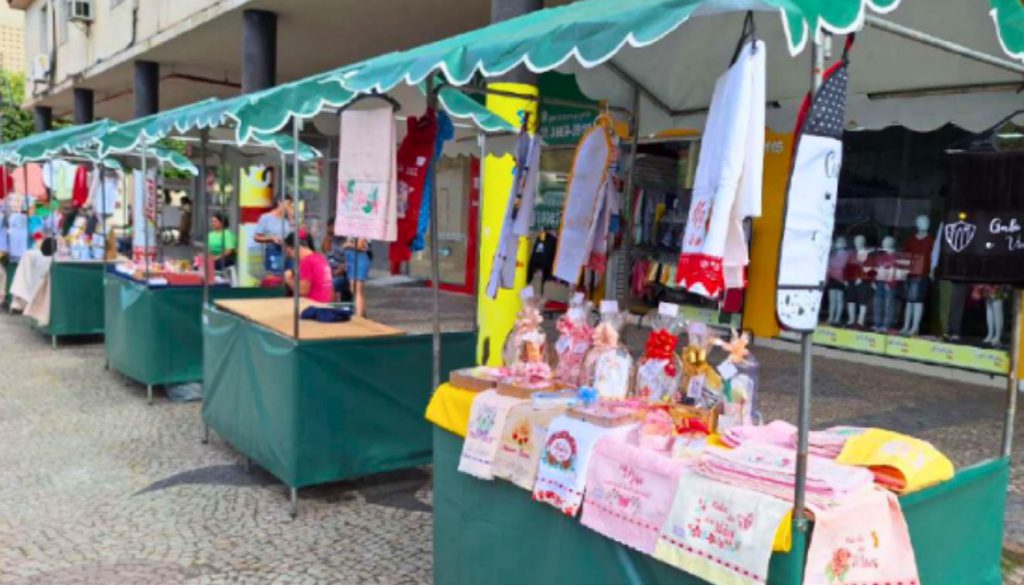
In Timóteo, the Semana de Oficinas e Arte na Praça (Workshop and Art Week in the Square) brought together more than 160 participants in free handicraft activities, culminating in a fair that attracted around 400 people, strengthening female entrepreneurship.
In the cultural sphere, the Mostra de Cinema Infantil de Tumiritinga (Tumiritinga Children's Film Festival) expanded access to audiovisual content in a city without movie theaters, leading to the creation of a permanent screening space inside a municipal school.
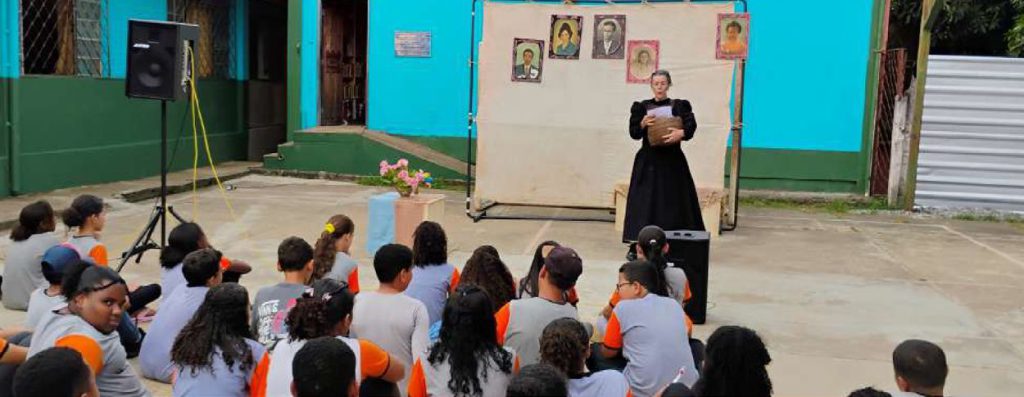
In Mariana, the project "O Teatro Vai à Escola" (Theater Goes to School) brought performances to 20 public schools, reaching more than 1,500 students.
Another highlight was the Festival Paraíso Gastronômico (Paraíso Gastronomic Festival) in Santana do Paraíso, which attracted 11,000 visitors over three days, featuring local entrepreneurs and a cultural program.
Inclusion and integration mark initiatives in Espírito Santo
In Espírito Santo, the projects focused on social inclusion and community strengthening.
In Linhares, the LIA Project (Leisure, Inclusion, and Accessibility) offered adapted physical activities for people with disabilities, including hydrotherapy and the installation of inclusive playground equipment in public spaces.
In Colatina, initiatives by the ASCORJE Association trained 80 new artists through free music and theater classes, in addition to promoting performances in schools and social institutions.
Reparation continues in the region
The conclusion of the Edital Doce marks the closing of one of the main fronts of direct support to communities in the Rio Doce Basin. Reparation actions remain underway under the New Agreement, focusing on the economic and social development of the impacted territories.
More information is available at: learn more about the reparation actions